
Quick Highlights
- There’s a big difference between a team that just meets a requirement and one that has the skills to pivot instantly during a crisis.
- Closing care gaps requires specialized training in ethics and community-based decision-making.
- One of the best ways to keep your best talent is to show a tangible investment in their long-term career growth and leadership.
- Modern training should integrate seamlessly into daily work, using automation to reduce administrative bottlenecks.
For over 150 years, the steady climb in U.S. life expectancy has been driven by the quiet, consistent work of the public health sector. This legacy of safety and equity belongs to the frontline clinicians and healthcare professionals who turn complex policy into community results.
As we look toward National Public Health Week, it’s important to highlight a reality every agency leader knows: community wellness is only as strong as the people providing it. For government and healthcare organizations, this week is an ideal time to move past the mindset of “mandatory compliance” and start treating continuing education as a high-level strategy for workforce readiness.
The Strategic Value of Continuing Education
For many, continuing education is viewed through the narrow lens of license renewal: a necessary, recurring task for the individual professional. But for an organization tasked with protecting the public’s health, education is a high-leverage tool that dictates how effectively an entire agency can respond to a community in need.
When public health leaders shift their perspective and treat education as a deliberate investment rather than a compliance hurdle, it triggers three critical organizational shifts:
1. Building Agency-Wide Capability
and active professional licenses and certifications with accrediting and certifying agencies like the ANCC, CCMC, or NASW provides the essential foundation of clinical credibility and trust. However, the true return on investment is found in capability.
There is a massive operational difference between a team that is technically “compliant” and one that is deeply trained in current emergency preparedness or the complexities of an aging population.
A capable team can pivot during a crisis without losing its stride.
2. Making Progress on Health Equity
The 2026 NPHW theme of “Ready. Set. Action!” is a call to address the social determinants of health that have historically created gaps in care. Bridging these divides requires good intentions alongside specialized training in ethical practice and community-based decision-making.
Consider equipping your multidisciplinary teams with these specific competencies, and your agency moves from merely discussing health equity to actively achieving it.
3. Strengthening Retention through Professional Growth
Public health is deeply rewarding, but it is also exceptionally demanding. One of the most effective ways to combat burnout and the high cost of turnover is to demonstrate a tangible investment in your staff’s future.
Structured learning paths focused on leadership, advanced communication, and specialized clinical roles help you send a clear message: the organization is invested in career longevity.
Integrating Quality into Daily Operations
To truly celebrate National Public Health Week, organizations must look at how they weave these high-level goals into daily workflows. It’s one thing to have a mission statement about community health, but it’s another to have a workforce that is operationally aligned to meet it.
Through professional partnerships, agencies can bridge the gap between “knowing” and “doing” by focusing on these main pillars of implementation:
Standardization
Ensuring that whether a professional is in the field, a local clinic, or a federal office, the standard of care and policy awareness remains consistent.
Scalability
Implementing on-demand, mobile-friendly modules allows busy teams to learn without sacrificing service delivery. Education should support the mission, not distract from it.
Automation
Using role-based assignments ensures the right person gets the right training at the right time. This reduces the administrative friction that often leads to missed deadlines or training gaps.
A Practical Guide to Public Health Action
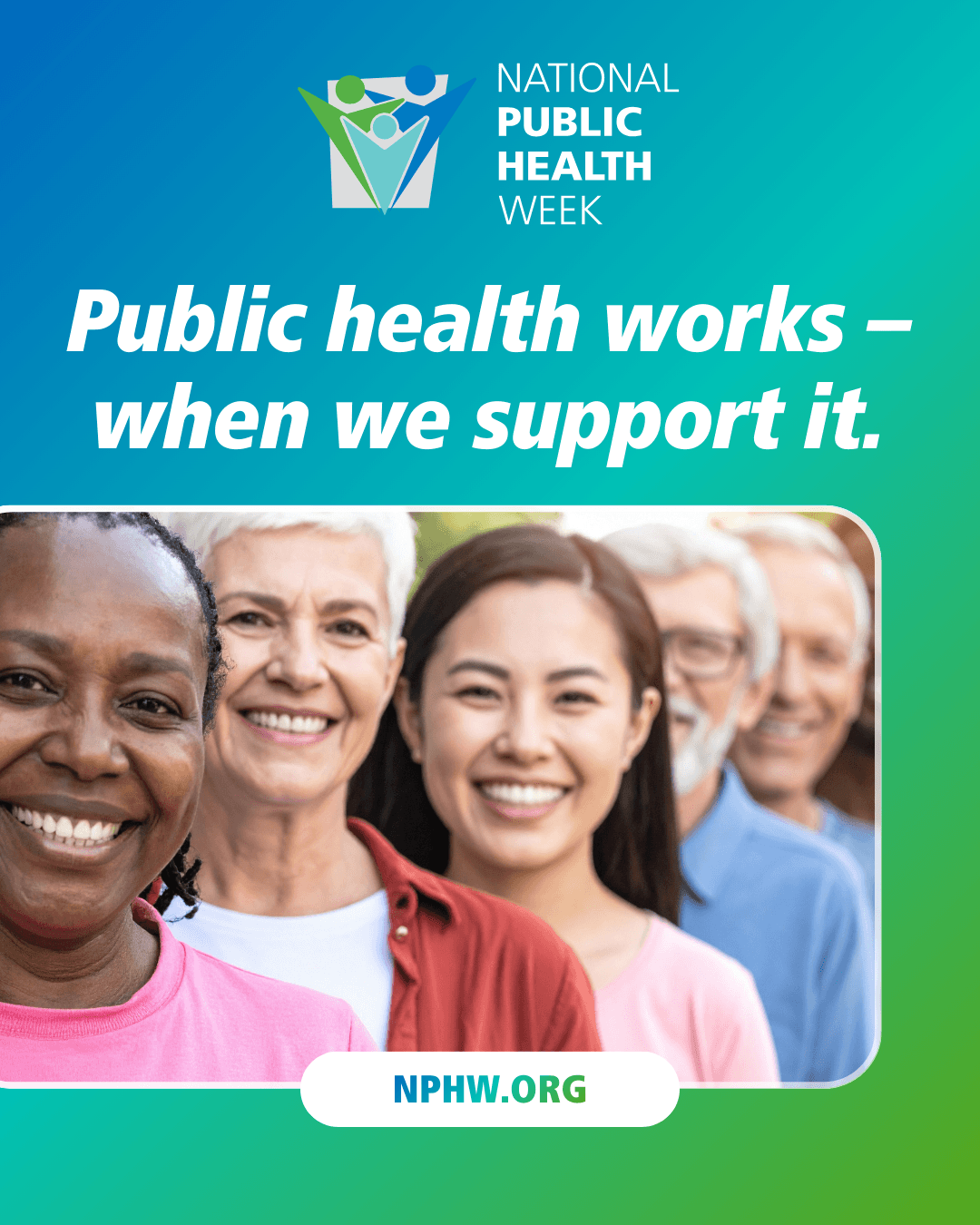 How can your agency participate in National Public Health Week while strengthening its internal systems?
- Issue a Proclamation: Use NPHW tools to officially recognize the value of your staff’s contributions to community health.
- Audit Your Training Gaps: Are your teams current on HIPAA, emergency safety, and the latest in care coordination?
- Invest in Multidisciplinary Learning: Use platforms that support mixed disciplines (from Nurses to Case Managers and Social Workers) to ensure everyone is speaking the same language of “quality.”
- Download the Tools: If you need to present these benefits to your leadership, utilize a Justification Toolkit to showcase how accredited CE drives organizational outcomes.
Building a Healthier Future
National Public Health Week is a time to honor the progress we’ve made in adding decades to life expectancy and transforming quality of life. But as we look toward the future, the “Action” required is a commitment to a workforce that is never stagnant.
It’s when public health and government agencies partner with an accredited provider that they go from simply keeping up with today’s demands to building a workforce that’s ready for whatever comes next.”
Ready to strengthen your public health workforce? Learn how CareerSmart® supports Healthcare Professionals in Public Health and Government Agencies.
Frequently Asked Questions
Can non-clinical employees participate in these CE programs?
Absolutely. Public health is a team effort. We provide training in leadership, communication, and policy awareness that is as vital for administrators and supervisors as it is for clinical staff.
How do agencies track compliance across large, multi-site teams?
Modern platforms offer automated reporting and CSV/API roster sync. This allows agency leaders to see real-time compliance snapshots, ensuring that no license or certification deadlines are missed across distributed workforces.
How often is the content updated to reflect new public health guidance?
Stagnant information is often a liability. CareerSmart® courses undergo regular clinical review cycles to ensure the latest regulatory updates and best practices are always reflected.

