
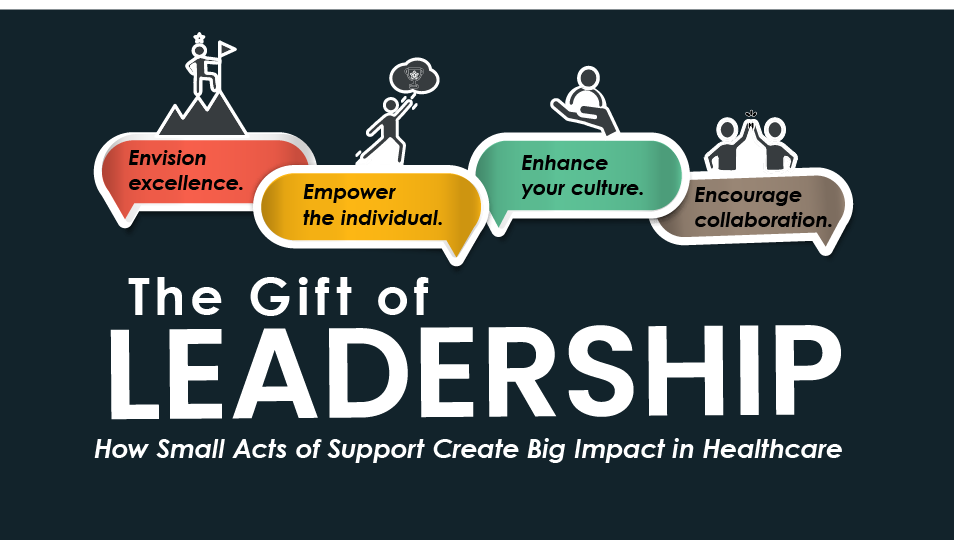
Leadership in healthcare is much like leadership in any other field, where small, intentional acts of support, practiced consistently, can have an outsized impact on organizational success. During this season of giving, we reflect on the small but meaningful leadership practices that have helped ISYS® Solutions Inc. grow a successful Nurse Case Management business over the past 27 years. Here are 10 tips we have found beneficial in our leadership practices at ISYS®.
- Envision excellence. Strong leadership begins with a clear vision. Leaders cannot guide others effectively without understanding the organization’s mission and what they aspire to build. At ISYS®, we encourage leaders to routinely dedicate time to step away from daily tasks and reflect on the “big picture.” This deliberate pause creates clarity, alignment, and renewed purpose—and serves as a small act of self-support for leaders.
- Encourage collaboration. Bringing leaders together to collaborate enables challenges to be examined from diverse perspectives, reducing blind spots and fostering creative solutions. Collaboration also builds engagement, strengthens buy-in, sharpens critical thinking, and builds the confidence needed to transition into expanded leadership roles within the organization.
- Enhance your culture. A toxic, burned-out culture can erode even the most resilient teams—especially in healthcare—leaving leaders struggling to sustain morale. At ISYS®, we make connection and team building a priority, even with our Nurse Case Managers working remotely. Through in-person gatherings, meetings, conferences, charitable events, and creative virtual activities, we strengthen relationships and reinforce shared values. In addition, annual leadership retreats and team-building sessions provide dedicated time for leaders to recharge, deepen bonds, and grow together.
- Empower the individual. Micromanagement drains time and erodes trust. By investing in training and professional development, team members are empowered to grow, take ownership, and perform at their best, giving leadership the confidence that standards and practices are applied consistently across their teams. This frees leadership to focus on what matters most: providing support and guidance. In nurse case management, as in all healthcare settings, change is constant—new challenges, treatments, guidelines, and best practices emerge every day. At ISYS®, we leverage CareerSmart® Learning’s broad spectrum of online continuing education courses to enhance the skills and expertise of our Nurse Case Managers in a structured, meaningful way, while ensuring compliance with CE requirements for professional license and certification renewal.
- Practice what you preach. People learn more from what leaders demonstrate than from what they say. Leaders who consistently model strong work ethic, integrity, and adaptability earn respect and credibility. As an executive leader, investing time to remain current, willingness to step in when needed, and leading by example builds resilience across the leadership team, an influence that cascades throughout all levels of the organization. Rolling up your sleeves now and then reinforces credibility and keeps your skills fresh, too!
- Keep your eye on the ball. For executive leaders, keeping your eye on the ball doesn’t mean micromanaging. Regular check-ins with leadership, reviewing key data, and conducting periodic spot checks help ensure progress stays on track. These practices also allow leaders to identify when proactive support is needed—preventing issues before they become unpleasant surprises.
- Acknowledge growth. Healthcare environments often prioritize error correction over progress because mistakes can be critical—even life or death. While it is crucial to address errors, it is equally important to recognize small wins in real time. Doing so reinforces a culture of progress, boosts morale, and motivates employees at every level.
- Be clear and direct. Avoiding difficult conversations or softening feedback too much can dilute the message and hinder growth. Clear, timely, and direct communication is essential, especially in healthcare where the stakes are high and lack of quality performance can have serious consequences. By setting this standard, leaders not only ensure quality performance but also model transparency and courage, creating a culture where employees feel empowered to learn, improve, and deliver their best.
- Work smarter, not harder. Effective leaders regularly evaluate their own efficiency—but they shouldn’t have to do it alone. Providing leaders with resources, tools, and guidance helps them refine priorities, eliminate low-value tasks, and focus on what truly drives results. At ISYS®, we offer leadership coaching and encourage leaders to identify gaps where additional support might be needed. When organizations invest in this kind of support, leaders gain the clarity and capacity to lead strategically, setting the tone for productivity and engagement across all levels.
- Celebrate success. Don’t forget to celebrate! Recognizing achievements—not only across the organization but also within leadership teams—strengthens camaraderie and reinforces a positive, proactive culture. Remember: the spirit and resilience of your organization start with its leaders.
When applied consistently, these principles strengthen leaders and ripple across the entire organization, benefiting staff and the patients we serve. Empowered teams, transparent communication, and a healthy culture reduce burnout, improve retention, and elevate patient outcomes. Ultimately, healthy, effective leadership is the foundation of quality care, operational excellence, and lasting impact in healthcare.
The Nursing Leadership Excellence Certificate Program provides practical tools to strengthen leadership, culture, and team performance—without adding unnecessary complexity.
👉 View the Nursing Leadership Excellence Certificate Program

MA, CRC, CCM
Corporate Vice President, Case Management, ISYS® Solutions Inc.

