Navigating and understanding continuing education (CE) requirements can feel complex, especially when they are one of many steps in the license or certification renewal process. For California Certified Nursing Assistants (CNAs), CE requirements are profession‑specific and closely regulated at the state level. Because these rules and regulations may be updated between renewal cycles, staying informed […]

Key Takeaways Continuing Education (CE) as Infrastructure: Providing up-to-date, relevant continuing education is a strategic investment in organizational stability, not just an individual professional licensing renewal requirement. Solving the Promotion Paradox: Leadership training bridges the gap for high-performing clinicians moving into management who lack operational and systemic expertise. Standardizing “Just Culture”: Structured CE provides the […]
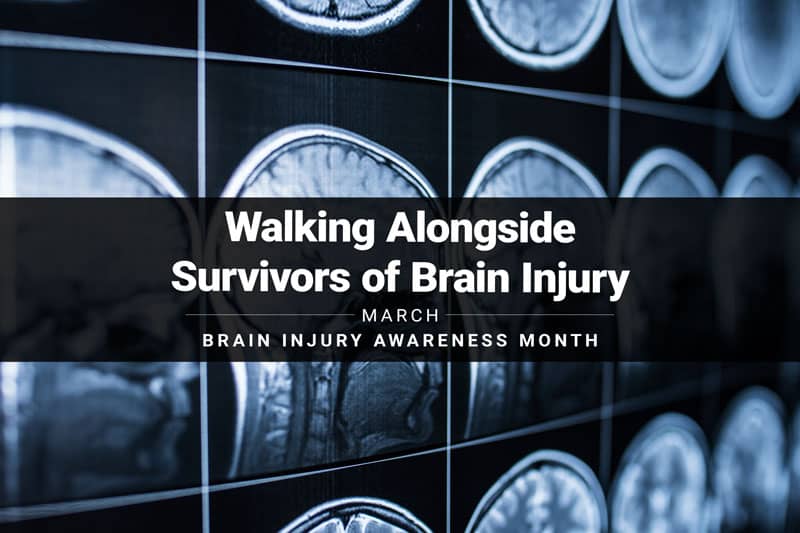
This article is informed by the clinical experience of nurse case manager Angie Jung, RN, CCM, CRRN, who has more than 25 years of experience supporting individuals recovering from complex injuries, including traumatic brain injury. Three months after his car accident, Jim was told he was lucky his scans were normal, the bruises had faded, […]
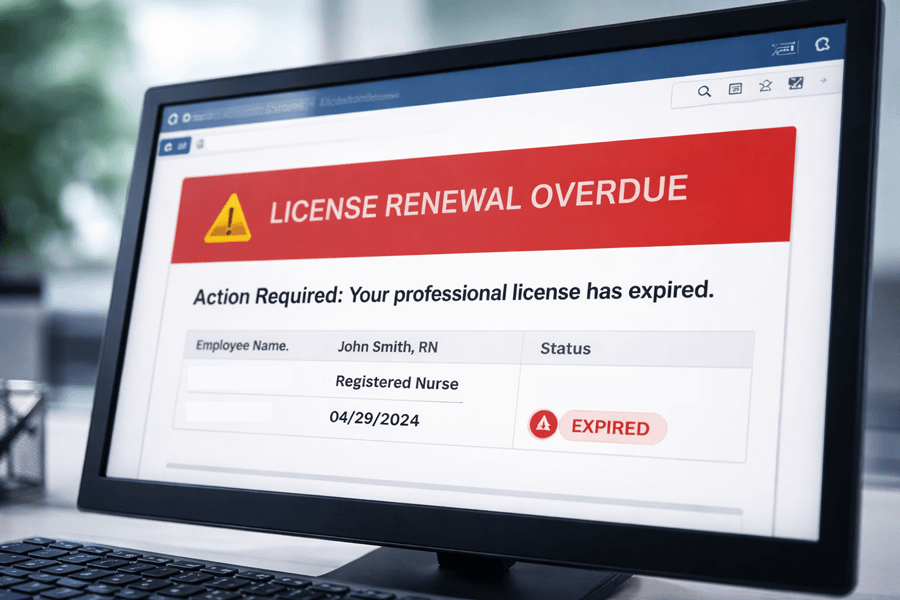
Short Answer: While individual clinicians are legally responsible for maintaining their licenses and certifications, healthcare employers share operational, legal, and financial responsibility for ensuring staff remain compliant. Failure to monitor continuing education (CE) and license renewal status can expose organizations to staffing disruptions, liability risk, accreditation findings, and reputational harm. A centralized compliance system reduces […]
Key Takeaways Medical assistant vs CNA: MAs assist doctors; CNAs assist nurses. Medical assistants blend clinical tasks (vitals, injections, specimen collection) with administrative work (scheduling, records, insurance). CNAs provide direct bedside care, helping patients with bathing, dressing, mobility, eating, and monitoring changes in condition. Work settings differ: MAs work mostly in outpatient clinics; CNAs work […]
Every healthcare professional wants to deliver safe, high-quality care—but good intentions alone don’t prevent errors. Quality Improvement (QI) provides the structure, data, and discipline needed to transform everyday clinical work into measurable excellence. At its core, quality improvement in healthcare is a systematic framework designed to enhance how care is delivered. It focuses on refining […]
National Eating Disorders Awareness Week offers a meaningful moment to deepen understanding and visibility of eating disorders, which impact millions but too often go undetected in clinical care. Eating disorders can affect individuals of all ages, genders, body sizes, and backgrounds. Early recognition and compassionate intervention by healthcare professionals can significantly improve outcomes. Understanding Eating […]
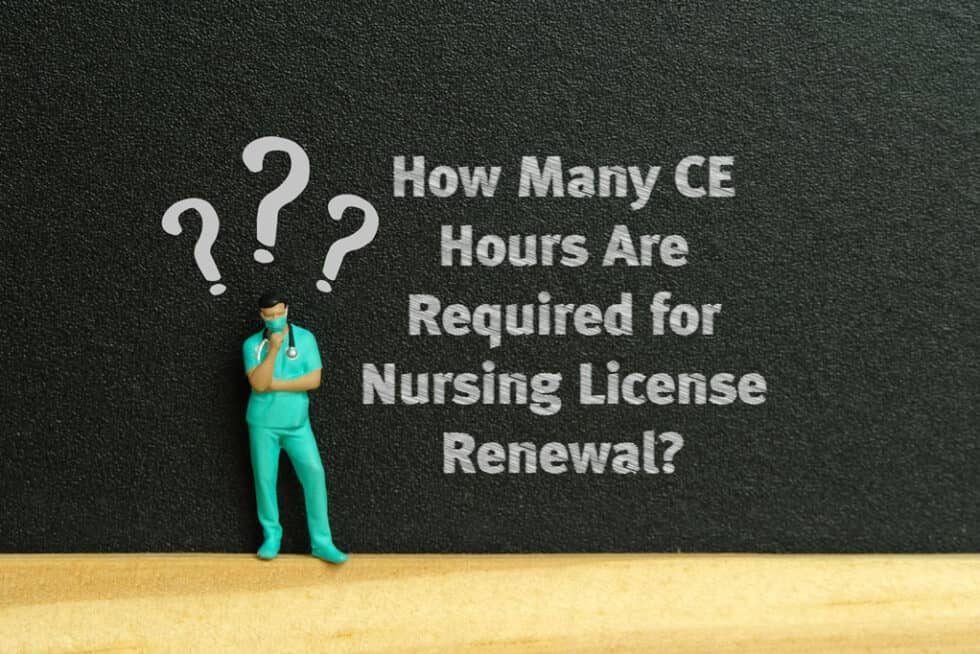
Renewing your nursing license shouldn’t feel like a guessing game. But for many nurses, Continuing Education (CE) requirements can be confusing, overwhelming, and easy to put off until the last minute. How many CE hours do you actually need? Do online courses count? And why does it seem like every state has different requirements? If […]
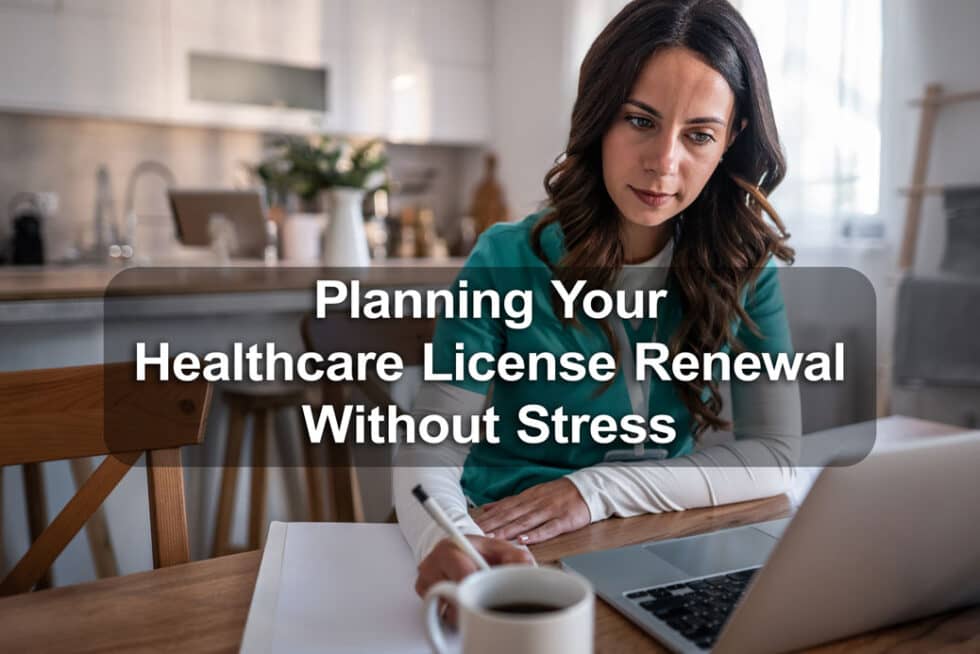
The start of a new year is the perfect time for licensed and certified healthcare professionals to get organized and take control of their healthcare license and certification renewal. Instead of scrambling at the last minute, thoughtful renewal planning can help you complete your requirements early, reduce stress, and stay compliant. With the right approach—and access to healthcare continuing education […]
In today’s healthcare environment, quality is no longer a static benchmark, it’s a moving target shaped by regulatory shifts, workforce turnover, patient acuity, and public accountability. While continuing education (CE) is often treated as a compliance requirement, forward-thinking healthcare leaders are beginning to recognize it as something more powerful: a strategic lever for quality, safety, […]