
Introduction
Have you ever wondered what life would be like if we aged in reverse, like Benjamin in the movie The Curious Case of Benjamin Button, where he was born old and grew younger as he aged? We probably wouldn’t have to worry about the typical issues that come with getting ‘old,’ such as health, mobility, physique, cognition, or beauty. Not only do we dislike talking about this subject, but our society also offers many products that mimic the fountain of youth as if we can halt the aging process. Of course, the reality is that aging is a natural part of life, so instead of dreading it, let’s talk about some ways we can embrace it.
We all know that regular exercise, good nutrition, and preventive health care are all important throughout life, and even more so as we get older. But there is something else that is more central as we age; it is how we view aging and its meaning.
Positive Aging
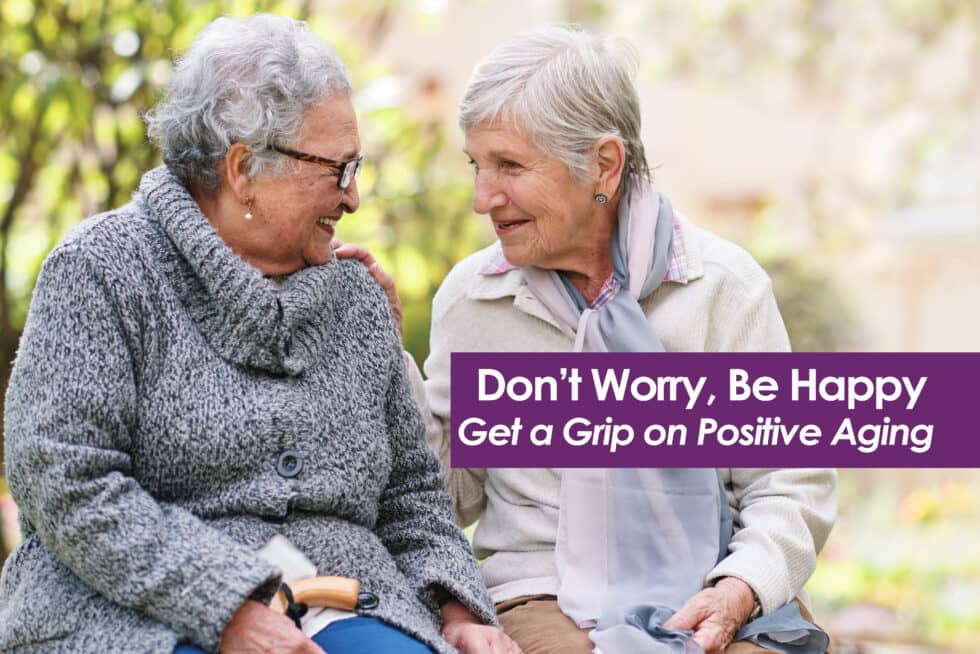
One of the newer trends in healthy aging is embracing the idea of positive aging. Our mindset and how we mentally and emotionally approach aging can significantly influence the quality of our later years. Positive aging involves shifting our perspective from resisting aging to accepting it and adjusting our attitude towards it. Therefore, instead of seeing aging as a negative or a decline, we can view it as a period of richness filled with positivity, life experiences, and new opportunities for growth, wisdom, and connection. Growing older offers a deeper understanding of ourselves, our strengths, our desires, and greater freedom to engage in more meaningful activities. Studies also suggest that when people are happier and more positive about their aging process, they tend to have better health and longer lifespans (Harvard, 2022; AHA, 2022).
Another way to promote positive aging is through continuous learning and curiosity. Don’t fall into the mindset of feeling “to old” or it being “too late” to try something new. Believe in the notion that we are lifelong learners. Whether through taking classes, picking up new hobbies, traveling, volunteering, or adopting new technologies or skills, keeping the mind active helps us to stay sharp and provides a sense of accomplishment. It also creates opportunities to expand social connections, boost cognitive function, and cultivate a sense of purpose and belonging.
Breaking Traditional Barriers
Traditional views on aging are often associated with images of frailty, dependence, and irrelevance. Social media and cultural messages frequently highlight youth as a higher value. Negative messages and beliefs can become self-fulfilling; therefore, we mustn’t let harmful stereotypes about aging dominate our thinking. Be mindful of how these messages affect our attitude and actions. Life remains meaningful and valuable at every stage. Think positively and trust in your abilities. Feel free to pursue your passions. Do what you’ve always wanted to do. Visit places you’ve always dreamed of. Wear what makes you feel comfortable and happy. Keep smiling.
At the end of the movie, The Curious Case of Benjamin Button, although Benjamin’s body was that of an adolescent, his mind was old and showing signs of dementia. Benjamin continued to regress backward and died physically as an infant, dependent on others for care. Chronologically, he was an 85-year-old man. The movie highlights the importance of living in the present and cherishing life’s opportunities. Perhaps my earlier comment about aging in reverse isn’t as desirable as it seems. Positive aging involves living in the present with a positive attitude. The number of years we have doesn’t determine how young we should feel. It’s not about denying aging; it’s about recognizing that every stage of life brings its challenges and rewards. With a mindset of acceptance, resilience, and openness to growth, we can experience not just more years in our lives, but more life in our years. The idea of youth is simply a belief—let’s be young in our attitude and our hearts and welcome aging.

Advance Your Clinical Knowledge—Access These Courses with Your Subscription
For healthcare professionals addressing care for the elderly, staying informed is critical. These accredited continuing education courses—included in all CareerSmart Learning subscriptions—offer timely, evidence-based content to support effective care delivery:
- Activities of Daily Living (ADL) and Assisting Persons with Dementia (1.0 CE Hour): Provides an overview and instruction on how to assist persons with dementia with their activities of daily living, commonly referred to as ADLs.
- Therapeutic Activities for Persons with Dementia (1.0 CE Hour): Identify, asses and measure therapeutic activity programs for persons with Dementia
- Common Challenges in Aging (4.5 CE Hours): Learn to assess, manage, and connect geriatric conditions using evidence-based strategies and nationally recognized screening tools for individualized care.
- Psychosocial Well-Being During Isolation in Assisted Living (1.0 CE Hour): Learn to recognize symptoms of anxiety and depression, apply interventions that reduce stress, uphold resident rights, and support psychosocial well-being during post-pandemic transitions.
- Medical Cannabis: Clinical and Ethical Considerations (5.0 CE Hour): Explore the history, regulation, clinical use, and effects of medical cannabis while evaluating its risks, benefits, and related ethical, legal, and professional challenges.
- Geriatric Nutrition: Nutritional Management of Residents in Long-Term Care Facilities (2.0 CE Hour): Assess and improve the nutritional health of older adults in long-term care through evidence-based, compassionate, and culturally sensitive nutrition strategies.
Included in our subscription plans at a discount!
References:
American Heart Association (AHA). How you feel about aging could affect health. Here’s how to keep the right attitude. Aug. 19, 2022. . AHA
Harvard Education. Positive attitude about aging could boost health. Aug. 24, 2022. Harvard Education
McGarvie, Susan, Ph.D. Positive Aging: Redefining What Aging Successfully Means. March 25, 2025. McGarvie

