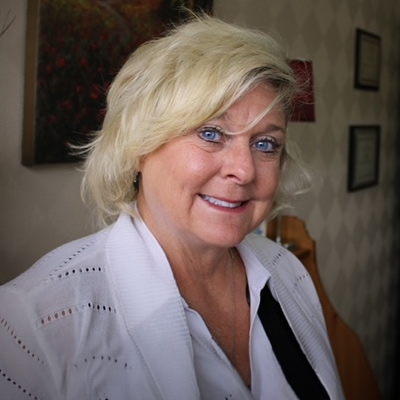
In Recognition of Mental Health Awareness Month
There was a time in my life when getting through the day felt overwhelming.
Within a short period, I experienced two significant losses: my mother passed away unexpectedly, and I discovered my now ex-husband’s affair. The weight of grief, betrayal, and uncertainty brought me face-to-face with depression and ongoing anxiety in a way I had never experienced.
As a healthcare professional, I understood mental health clinically, but living it was entirely different.
What made the difference for me during that time was the support of compassionate, knowledgeable healthcare professionals. Counselors, providers, and support systems helped me process what I was experiencing, develop coping strategies, and slowly begin to heal. They didn’t just treat symptoms, they helped me rediscover myself.
That experience forever changed how I view mental health in healthcare.
Mental health is not separate from physical health—it is deeply connected to every aspect of well-being. As healthcare professionals, having the knowledge and confidence to recognize and respond to mental health needs can profoundly impact the lives of our patients, and sometimes even our own.
Why Is Mental Health Knowledge Important for Healthcare Providers?
Healthcare professionals are often the first point of contact for individuals struggling with mental health concerns, even in non-psychiatric settings. Anxiety, depression, substance use, trauma, and stress frequently present alongside physical illness, and when unrecognized, can affect recovery, adherence, and overall outcomes.
Equally important, healthcare professionals themselves are not immune. Burnout, compassion fatigue, grief, and personal life stressors can all take a toll.
Mental health education equips healthcare professionals to:
- Recognize early warning signs
- Respond with empathy and confidence
- Reduce stigma in clinical settings
- Support both patients and colleagues
- Build resilience in their own lives
What Are the Best Online CE Courses for Mental Health?
The best mental health CE courses are practical, relevant, and applicable across care settings, not just psychiatry.
Some highly valuable topics provided by CareerSmart® Learning:
- Common Mental Health Disorders Outside the Psychiatric Setting
- Personality Disorders: A Pragmatic Approach to Treatment
- Eating Disorders and Medical Nutrition Therapy
- Coping with the Mental Health Crises Faced by Healthcare Professionals
- PTSD and Malingering
- Alcohol Use Disorder
- Substance Use Disorder
- Opioid Crisis Management
- Psychosocial Well-Being During Isolation in Assisted Living
- Workplace Impairment – Increasing Healthcare Workers’ Awareness
These courses not only expand clinical knowledge but also help healthcare professionals approach mental health with greater confidence and compassion.
Can One CE Course Count for Multiple License and Certification Renewal?
Yes—many CareerSmart® Learning CE courses are designed and pre-approved to meet requirements of multiple accrediting bodies, including ANCC (RN, LVN, LPN), The Commission™ (CCM), The Commission on Rehabilitation Counselor Certification (CRC), and NASW (Social Workers). This is especially beneficial for interdisciplinary teams and professionals holding multiple credentials. Remember, it’s always important to verify continuing education requirements with your specific state licensing board and/or certifying organization.
Are These Mental Health CE Courses Approved for My License?
Look for courses that clearly list accreditation, such as:
- ANCC (Nursing)
- CCM (Case Management)
- CRC (Rehab Counseling)
- NASW (Social Work)
Choosing multi-accredited courses increases the likelihood that they will meet your licensing and certification requirements.
How Do I Choose the Right Mental Health CE Course?
The right course depends on your role, setting, and goals. Consider:
- Your patient population
- Knowledge gaps
- Whether you need practical tools or deeper theory
- Personal and professional relevance
Sometimes, the “right” course is also the one that speaks to where you are personally, not just professionally.
How Many CE Hours Do I Need for Mental Health Topics?
CE requirements vary by profession and state:
- Some licenses require total CE hours without specifying mental health
- Some state licensing boards mandate mental health-specific CE
- Specialty certifications may have additional expectations
Even when not required, mental health CE is always a valuable investment.
Why Mental Health CE Matters More Than Ever
Mental health touches every individual, every setting, and every provider.
For me, it became deeply personal. Although I still have moments when I struggle with anxiety and depression, I am incredibly grateful for the healthcare professionals who supported me during one of the most difficult times in my life. They helped me find clarity in chaos, strength in vulnerability, and ultimately hope. Because of them, I was able to rediscover who I am and begin to see the beauty in the life ahead of me and the future I am continuing to build.
That’s the power of mental health care. And that’s why continuing to grow our knowledge in this area matters—not just as professionals, but as human beings.